

The First Look

In 1852 Aristide Boucicaut became a partner in a Paris drapery shop called Le Bon Marché and changed how it sold. Prices were fixed and written down, so nobody had to haggle. Goods could be exchanged or refunded. Anyone could walk in, look around for an hour and leave without buying. It sounds ordinary now. At the time it turned shopping into something you could do for pleasure, and it made the walk through the store the thing the store was selling.
The walk had an author. Boucicaut decided what you passed on the way in, what sat by the stairs and what waited on the upper floors. That job, choosing what a shopper sees first, stayed with merchants for well over a century. It is the job that has been slipping away from them ever since, and we think the last two years have changed it more than the twenty before.
The store used to choose
Mail order stretched the idea without breaking it. In the 1890s the Sears catalog put a department store on kitchen tables across rural America, but Sears still decided which watch went on which page, what got an engraving and what got a single line of small type. The shopper browsed. The merchant arranged.

The first real break came with search. When Google launched Froogle, its product search, in December 2002, the first look moved to a page that listed many stores at once, in an order no merchant controlled. Marketplaces went further and became the starting point themselves: in Jungle Scout’s 2024 survey, 56% of US shoppers said they begin product searches on Amazon, against 42% on search engines. Then the feed removed the search box altogether. TikTok Shop opened in the US in September 2023, and discovery became something that happens to you while you are watching something else.
Where the first look happens
The store decides Someone else decides
Aristide Boucicaut becomes a partner in Le Bon Marché in Paris. Fixed prices, refunds, free entry, no obligation to buy. Walking around becomes the point, and the merchant decides what you pass on the way.
Each step put one more layer between the shopper and the store, and each layer had its own idea of what deserved to be seen. The newest layer is the strangest one yet, because it doesn’t show a list at all. It answers.
The shelf stopped having an end
While the first look was moving away, the amount of stuff behind it exploded. Shein’s IPO filing this year says customers could find around 4,700 new apparel styles a day in the first quarter of 2026, on top of more than two million already listed. Google says its Shopping Graph now holds over 60 billion product listings. Even a modest fashion store carries a few thousand products in a season, each in several colours and sizes.

Attention didn’t grow to match. A person still has an evening, a lunch break, a few minutes on the bus. The arithmetic is unforgiving, and it is worth doing once for your own catalog.
How long would it take to see everything?
4.2 hoursto look at 5,000 products, 3 seconds each
4.0%of the catalog fits in a ten-minute browse
Each dot is about 25 products. Dark dots fit in ten minutes.
Nobody scrolls through 5,000 products. They see the first screen, maybe the second, and whatever the store or the algorithm decided to put there. Which means the question that matters in a big catalog is not what you stock. It is what gets seen.
Choice was never the problem
The usual answer to all this is that people have too much choice, and the usual evidence is a jam stall. In 2000, Sheena Iyengar and Mark Lepper set up a tasting table at a grocery store in Menlo Park and alternated between 24 jams and 6. The big table drew more people in: 60% of passers-by stopped, against 40% at the small one. But only 3% of those who stopped at the big table bought a jar, against 30% at the small one.
100 shoppers walk past a tasting table
- Stopped to taste
- 60
- Bought a jar
- 2
It is one of the most quoted studies in retail, and it doesn’t hold up as a rule. A 2010 review of 50 experiments by Benjamin Scheibehenne and colleagues found an average choice-overload effect of “virtually zero”, with large differences between studies. The more useful finding came in 2015, when Alexander Chernev and colleagues pooled 99 results and asked when overload does appear. Four conditions mattered: the options are hard to compare, the decision itself is difficult, the shopper is unsure what they want, and they want to get it over with quickly.
Read that list again with a fashion or jewelry store in mind. Products that differ in cut, colour, fabric and fit. A decision that depends on your body, your wardrobe and an occasion. A shopper who often doesn’t know what they want until they see it. All four conditions, most of the time. That is why we don’t think the answer is fewer products. Range is what makes a good store worth visiting. The problem is unsorted range, shown to someone who hasn’t been asked anything.

The old department store solved overload with people. Online, most stores removed the people and kept the range.
The front door now talks back
The last two years filled that gap from the outside. In September 2025 OpenAI and Stripe launched checkout inside ChatGPT. Google added agentic checkout to Search that November, then in January announced a Universal Commerce Protocol with Shopify, Walmart, Target and others. Amazon said more than 300 million customers used its shopping assistant in 2025. People asking an AI what to buy went from novelty to habit in about eighteen months.
The numbers need care. Adobe measured traffic from AI services to US retail sites up 1,300% over the 2024 holidays, which sounds enormous until you read Bain’s estimate that AI still sends under 1% of total retail traffic. Growth from a small base is still a small base. But two other things happened that we find more telling.
First, buying inside the chat didn’t stick. Walmart reported that purchases made inside ChatGPT converted at roughly a third of the rate of shoppers who clicked through to its website, and in March 2026 OpenAI moved away from in-chat checkout and handed the transaction back to merchants. Second, the shoppers who do arrive from an AI behave differently. Adobe’s numbers show that in March 2025 they converted 38% worse than other visitors; by March 2026 they converted 42% better, and by July 60% better. They arrive having already compared, already narrowed, already decided most of it.
Agentic AI marks a major shift in retail discovery and loyalty since the rise of search engines.
Put those together and a shape appears. The assistants are winning the first look. The purchase still happens on the store. So the store’s job splits in two: be easy for an AI to understand and recommend, and then be worth arriving at for someone who already expects to be understood.
What we would do
We build software for fashion and jewelry stores, so read this as a point of view with an interest declared. Still, we think four things hold whatever tools a store uses.
Write the catalog for someone who can’t see the photos. An assistant recommends what it can read. Adobe found that 34% of retail product pages couldn’t be properly accessed by AI systems. A title like “Elena Dress” with a colour swatch tells a person a little and a machine nothing. Fabric, cut, length, fit, occasion and colour in plain words are what get a product into an answer. They are also, not by coincidence, what make it findable on your own site.
Make your search as good as the conversation the shopper just left. Someone who spent ten minutes describing a wedding outfit to an assistant will not type “dress” into a box that fails on a typo. Baymard’s 2026 benchmark rates 56% of ecommerce sites’ search as mediocre or worse. That gap used to be an inconvenience. Now the comparison is with the smartest thing on the shopper’s phone.
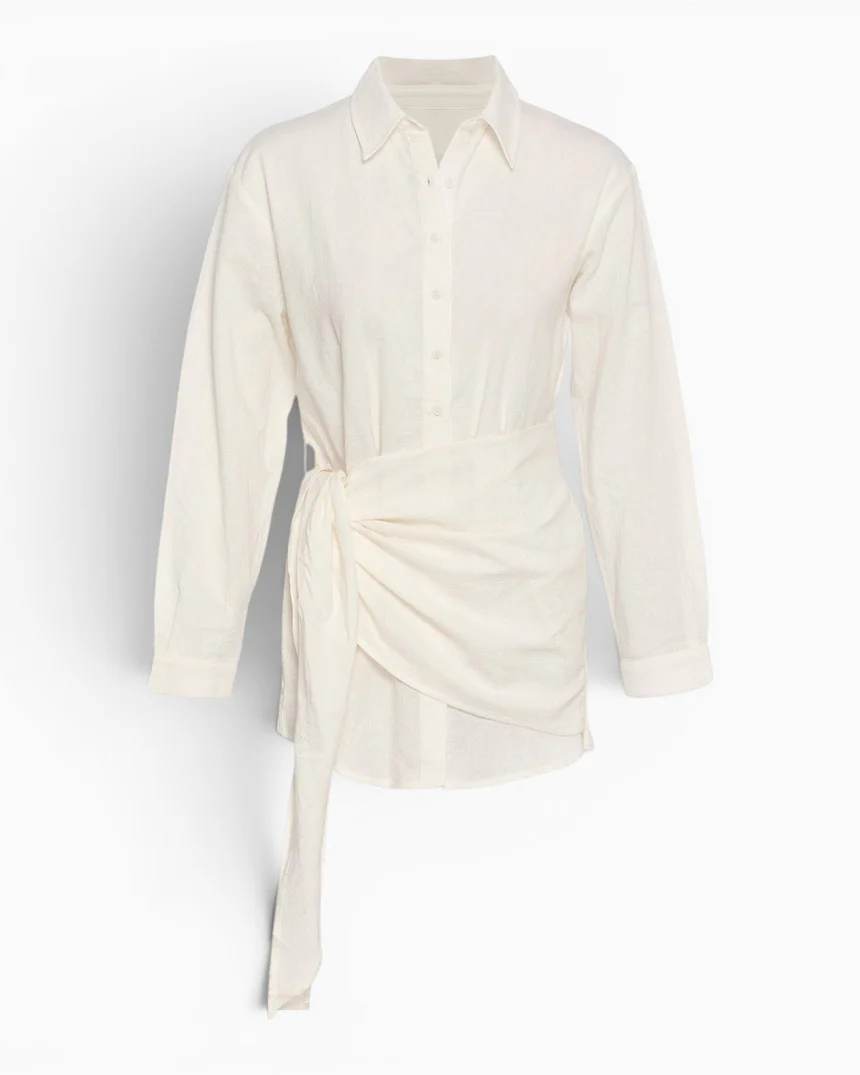
AI Shopping AssistantLets shoppers ask your store in a full sentence, with a photo, or with “the same but in black”, and answers with products from your catalog.Sort the range instead of shrinking it. The Chernev conditions point to the fix. Make options easier to compare by showing pieces that actually resemble each other. Make the decision easier by showing what goes with what. Help the unsure shopper with “more like this” instead of simply “more”. The department store did this with a good clerk. Online it has to be built into the page.
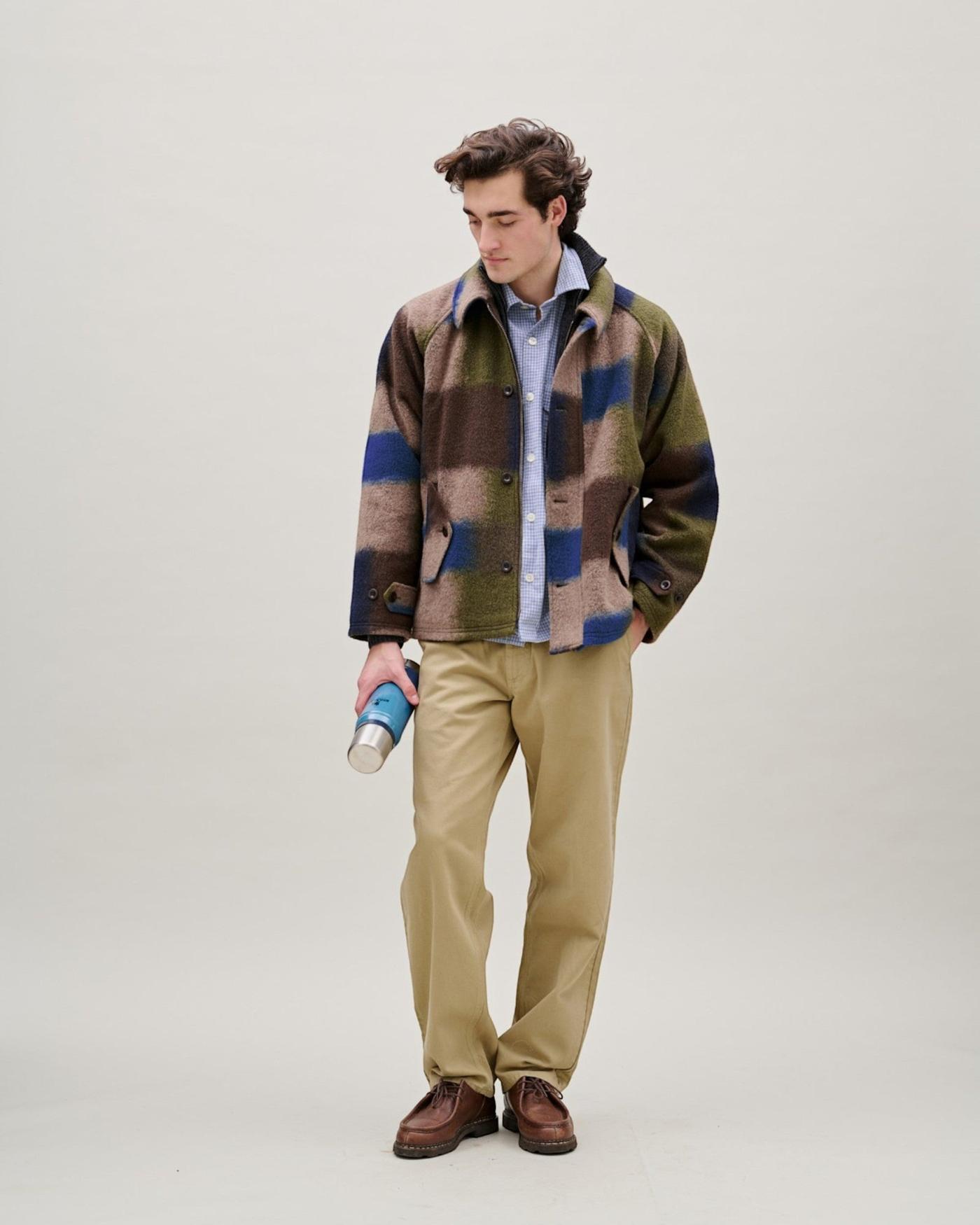
Outfit RecommendationsBuilds outfits around a product from what you have in stock, so a shopper sees the dress with the shoes and bag that go with it.Remove the doubt only the store can remove. An assistant can compare specifications. It can’t show a necklace on the person asking. A study of a cosmetics retailer’s sales in the Journal of Marketing found that virtual try-on lifted sales most for less popular brands, pricier products and items with narrower appeal, the purchases people are least sure about. In fashion and jewelry that is most of the catalog.
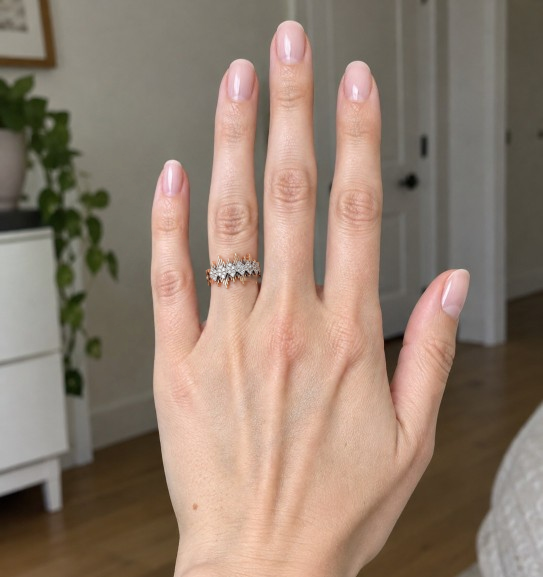
Jewelry Try-OnShows a necklace, ring or bracelet on the shopper’s own photo, to scale, before they buy.
Boucicaut’s insight was that the walk through the store could be the product. The walk now usually starts somewhere else: in a feed, in a search result, in a conversation with an assistant that has read a thousand catalogs. Stores can’t take that first look back. What they can do is make sure that when the walk ends at their door, the shopper finds what the first look promised, and is helped the rest of the way by something that understands them as well as the assistant did.
That is less romantic than a Paris department store. We think it is the same idea.
